Bad Breath That Keeps Returning: What to Check Before Buying Supplements
Learn how dry mouth can relate to breath odor, what commonly contributes to oral dryness and why persistent symptoms need the right professional advice.
Independent affiliate publisher. Product claims and historical offer terms remain subject to verification.
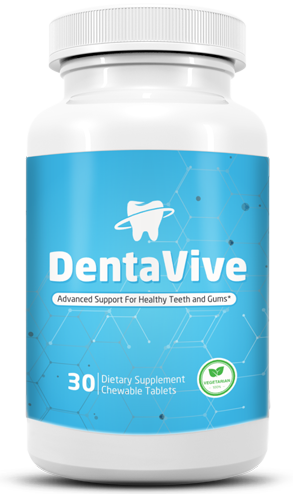
Important: This supplied offer image shows historical advertised prices, savings, bonuses, shipping and guarantee claims that have not been verified for the current seller. These details are not a current offer. Check the live checkout before ordering.

Images are illustrative of the archived promotion only. Check actual package availability and current terms with the seller ↗
Oral-Care Questions and Product Details
Visuals from the supplied DentaVive reference archive are provided for illustration, not as proof of clinical outcomes or current product specifications.
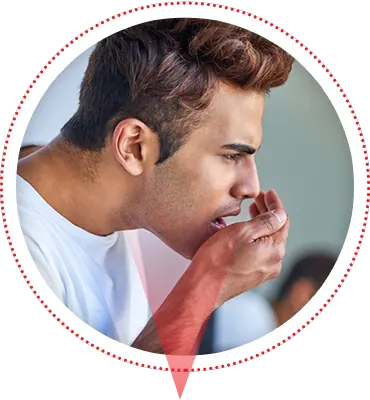
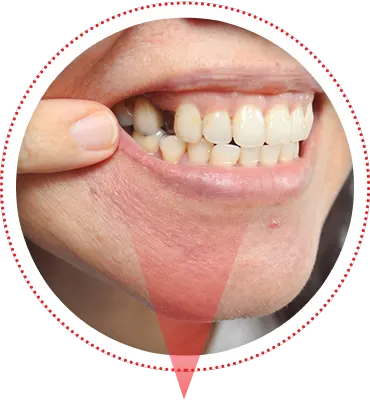
1. How can a dry mouth affect breath?
A dry or sticky mouth can coexist with bad breath. Saliva is important for oral comfort, lubrication, swallowing and cleaning the mouth. When the mouth produces too little saliva—or simply feels unusually dry—food particles and other material may be cleared less effectively. Breath odor can be one symptom, but dryness does not establish the cause of every case of halitosis.
The National Institute of Dental and Craniofacial Research (NIDCR) includes bad breath among symptoms of dry mouth, alongside trouble swallowing, altered taste, cracked lips and mouth sores. That makes dryness an important issue to identify rather than simply covering odor with a stronger flavor.
If you notice dryness mainly on waking, see our separate morning breath versus persistent odor guide. This page goes further into the dryness problem itself: what to observe, what may contribute and when dental or medical advice is appropriate.
2. Common contributors worth checking
Dry mouth can have several contributors. Some medicines reduce salivary production, including medicines used for blood pressure, depression and bladder control. Medical conditions such as Sjögren's disease and diabetes can be associated with dry mouth. Cancer treatments may affect saliva, and people also report dryness with dehydration or mouth breathing. These are possible categories, not a way to diagnose yourself from a checklist.
Notice whether symptoms began after a medication change, occur mainly at night or are present throughout the day. If you suspect a prescribed medicine, do not stop or adjust it yourself. Ask the prescribing clinician or pharmacist to review the medicine and symptoms. NIDCR specifically advises professional evaluation because dry mouth can have multiple causes and because treatment depends on that cause.
Some people become concerned that aging must explain new dryness. NIDCR advises that dry mouth should not simply be dismissed as a normal part of aging. Persistent symptoms deserve an assessment even when there is no obvious tooth pain.
3. Your dryness observation worksheet
A short record can help make a clinical appointment more productive. Use plain observations rather than diagnostic labels.
| Question | Useful observation |
|---|---|
| When does the mouth feel dry? | Waking only, during meals, overnight or throughout the day |
| Is eating affected? | Trouble chewing, swallowing dry food or speaking comfortably |
| Are there visible signs? | Cracked lips, sore areas or recurrent irritation |
| What else has changed? | Medicines, caffeine, tobacco exposure or hydration routine |
| Does breath odor coincide? | At the same time as dryness or independently |
| Is it persistent? | Whether the pattern continues despite basic self-care |
Bring the list of medicines and supplements you take, where practical. It may help the clinician determine whether medication, dental health or another issue merits further investigation. Do not use the worksheet to delay assessment if eating or swallowing is difficult or sores are recurring.
4. Everyday steps that may ease discomfort
Simple habits may relieve some symptoms while the cause is being evaluated. NIDCR suggests drinking water, sipping sugarless drinks during meals, chewing sugar-free gum or using sugar-free candy to encourage saliva flow, and limiting tobacco and alcohol. People who notice dryness with caffeine may consider reducing their intake. Not every recommendation suits every person—for instance, restrictions on fluid intake for medical reasons take precedence over generic advice.
Continue a careful oral-hygiene routine with fluoride toothpaste and regular dental care. Dryness can increase concern about tooth decay and oral irritation, so replacing hygiene with flavored lozenges would be a poor trade-off. A dentist can advise on suitable toothpaste, fluoride products and whether a moisturizing product is appropriate.
Alcohol-free mouth rinses may feel more comfortable for some people, but formulations vary. Avoid interpreting words such as 'natural,' 'hydrating' or 'microbiome-friendly' on packaging as proof of a particular clinical effect. Read the actual instructions and ingredients.
5. Comparing options without mixing up their purposes
Important: This supplied offer image shows historical advertised prices, savings, bonuses, shipping and guarantee claims that have not been verified for the current seller. These details are not a current offer. Check the live checkout before ordering.
Images are illustrative of the archived promotion only. Check actual package availability and current terms with the seller ↗
| Option | What it may be used for | Important limit |
|---|---|---|
| Water or sugarless gum | Temporary comfort and stimulating saliva | Does not establish or treat the underlying cause |
| Saliva substitutes or moisturizing gels | Symptom relief when recommended | Product choice may depend on the clinical context |
| Fluoride toothpaste and dental care | Protecting teeth and maintaining hygiene | Does not correct every cause of reduced saliva |
| Medication review | Identifying possible medicine-related dryness | Must be handled with the prescriber, not by self-discontinuation |
| Oral probiotic supplements | Optional products marketed for oral microbiome support | Not established here as a treatment for xerostomia or reduced saliva |
The NIDCR resource discusses saliva substitutes and tailored treatment options through healthcare professionals. There is no basis in the attached DentaVive research to say that a marketed oral supplement reliably restores salivary gland function.
6. What to ask before purchasing a supplement
If you are considering an oral supplement despite ongoing dryness, start with its verified identity and current packaging. Does the label list the ingredients and serving size? Are there warnings relevant to your health status? Could the product's sugars, acidity, textures or other ingredients create discomfort? Is there a responsible merchant who can answer specific product questions? These are screening questions, not evidence that the supplement works.
The 2023 Inchingolo systematic review discusses selected studies of oral probiotics across halitosis, periodontal and other dental outcomes. It does not test DentaVive as a finished product, and it does not establish a DentaVive treatment for dry mouth. Research into oral bacterial composition should not be promoted as proof that an unrelated commercial formulation stimulates saliva.
The current DentaVive formula, pack directions, prices and seller terms require independent authentication. Even if a product label is verified, the label alone cannot establish clinical efficacy. If the reason for shopping is a persistent dry mouth, professional evaluation comes before an optional affiliate purchase.
7. When to seek care and frequently asked questions
Arrange dental or medical review for ongoing dryness, painful sores, repeated infections, difficulties with eating or swallowing, or persistent symptoms after basic measures. Professional assessment may include review of medicines, medical history and salivary function, as appropriate. Significant swallowing or breathing difficulty requires urgent medical attention.
FAQ — Could mouth breathing make my mouth feel dry? It can contribute to a dry sensation, especially overnight, but it is not the only possible explanation. A persistent pattern warrants a clinician's perspective.
FAQ — Can I stop a medicine that seems to cause dryness? No. Discuss your symptoms with the prescriber or pharmacist; medication changes should be professionally supervised.
FAQ — Do oral probiotics increase saliva? The sources used for this page do not establish that DentaVive, or oral probiotics generally, reliably treat low saliva production.
FAQ — Is bad breath always caused by dry mouth? No. Dental issues, diet, smoking and some other conditions can contribute. Read our bad-breath self-check for that broader question.
Decision takeaway: Treat persistent dryness as a potentially important symptom, not merely a breath-freshening shopping occasion. Choose supportive daily steps and appropriate professional advice first; judge any supplement separately on verified label information and product-specific evidence.
Sources
Important: This supplied offer image shows historical advertised prices, savings, bonuses, shipping and guarantee claims that have not been verified for the current seller. These details are not a current offer. Check the live checkout before ordering.
Images are illustrative of the archived promotion only. Check actual package availability and current terms with the seller ↗