How to Evaluate an Oral-Health Supplement Review Before You Buy
See how oral-health supplement claims can be checked against clinical evidence, strain labels, outcome measures, seller terms and affiliate disclosures.
Independent consumer guidance; source-backed claims and current offer verification required.
Important: This supplied offer image shows historical advertised prices, savings, bonuses, shipping and guarantee claims that have not been verified for the current seller. These details are not a current offer. Check the live checkout before ordering.
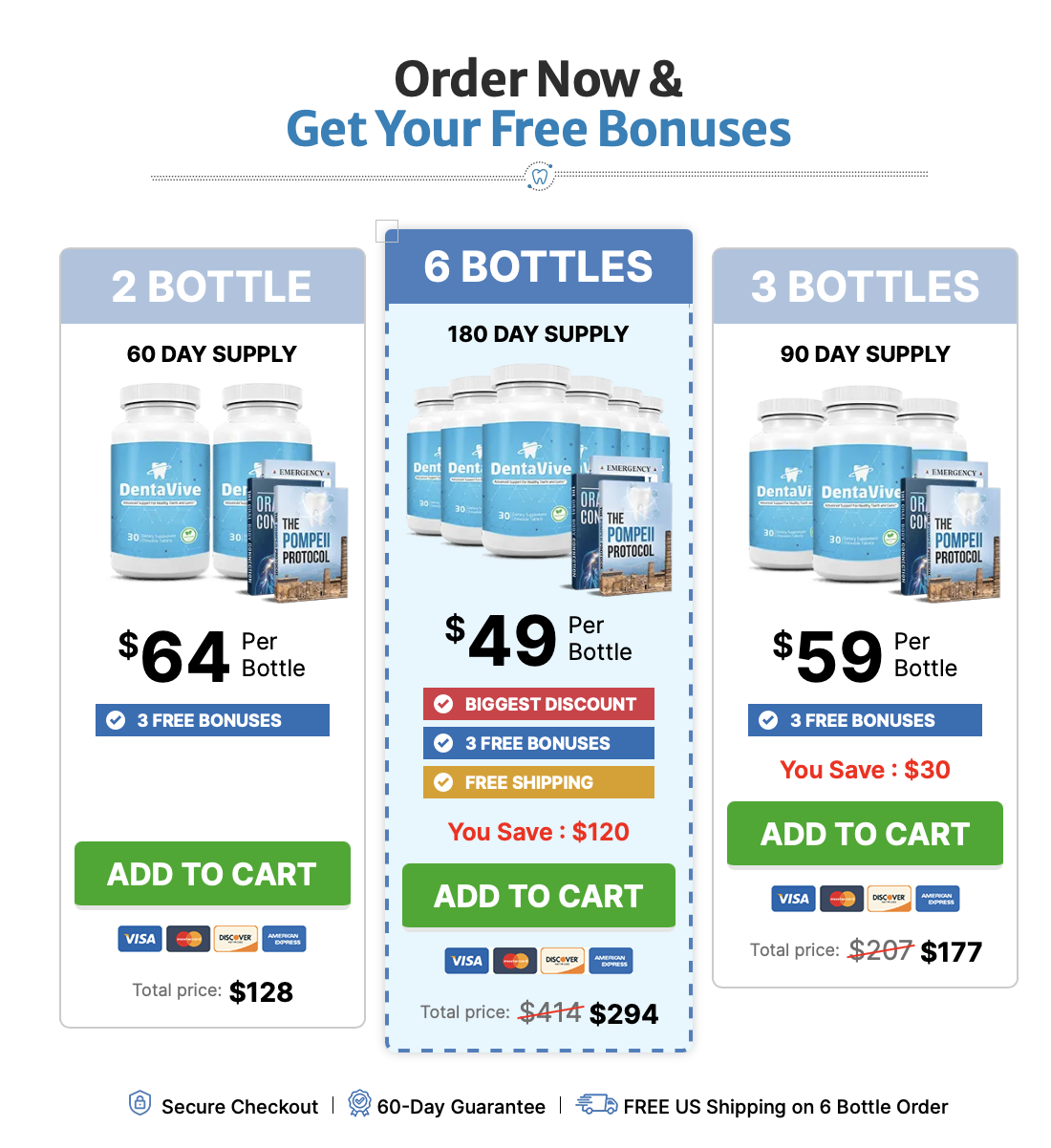
Images are illustrative of the archived promotion only. Check actual package availability and current terms with the seller ↗
Oral-Care Questions and Product Details
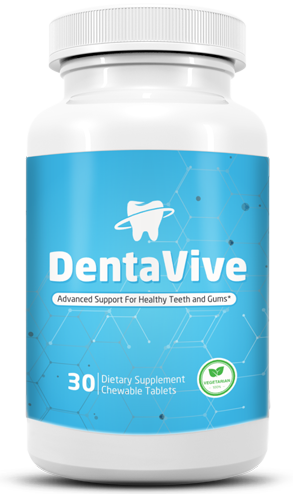
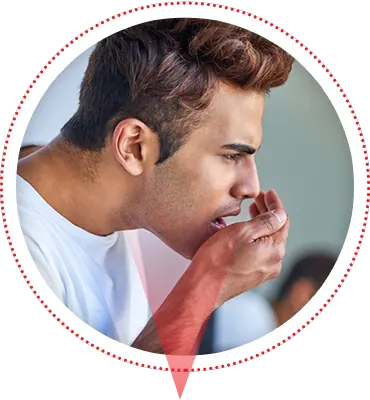
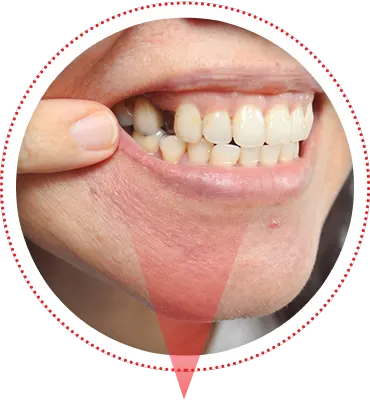
Visuals from the supplied DentaVive reference archive are provided for illustration, not as proof of clinical outcomes or current product specifications.
SEO title: Oral-Health Supplement Review Method: Evidence, Labels & Disclosures
Meta description: See how oral-health supplement claims can be checked against clinical evidence, strain labels, outcome measures, seller terms and affiliate disclosures.
Canonical (planned): https://en-denttavive.com/oral-health-product-review-method/
Primary SEO intent: Oral-health supplement review methodology. Secondary brand layer: DentaVive review methodology and transparency.
A reliable oral-health supplement review should help you separate what a company says, what a study actually tested, and what a seller promises at checkout. An attractive product photo, a five-star graphic, or a broad statement about “good bacteria” cannot establish the effects of a finished supplement. The most useful review is transparent about unanswered questions.
This page describes the editorial standard intended for this website. It is not a claim that the publisher has personally administered DentaVive, conducted laboratory tests, surveyed customers, or retained a clinical panel. Checks requiring original manufacturer records remain outstanding until those documents have actually been obtained and evaluated. The website may earn an affiliate commission from qualifying purchases, and that commercial interest must be made clear to readers.
Six questions we use to organize a review
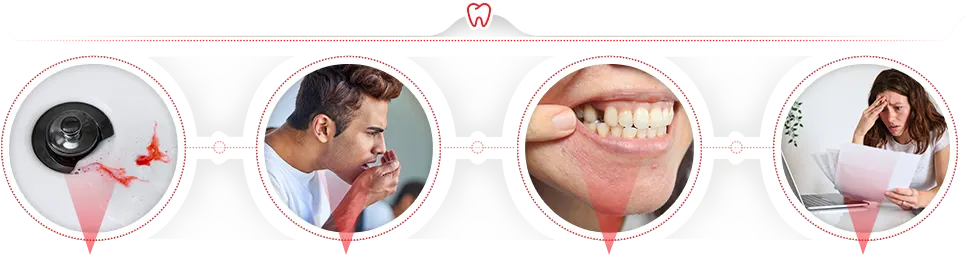
1. Is the problem correctly described? Bad breath after waking, persistent odor, dry mouth, bleeding gums, and dental pain are not interchangeable. A sales page should not diagnose a reader from a search query or imply that a supplement replaces dental care. The first test is whether the proposed product category even fits the buyer's situation.
2. Can the exact product be identified? Look for the current ingredient list, serving directions, package identity, responsible business, any listed probiotic strains, storage instructions, and expiration dating. Historical screenshots do not establish the formula being sold today. Specific strain names matter because different organisms and formulations cannot simply be treated as equivalent.
3. Is the cited research relevant? An academic paper might study a mouth rinse, a specific probiotic lozenge, probiotic milk in children, or dental treatment plus a supplemental intervention. A paper involving a different strain or delivery format is not a trial of DentaVive. Compare the tested organism, formulation, population, dose, and intervention duration with the commercial product. The systematic review by Inchingolo and colleagues compiled 12 human oral-health studies and explicitly discussed variations and limitations. [S2]
4. Did the study measure the advertised outcome? Lower salivary counts of a caries-associated microbe do not by themselves prove fewer cavities. A subjective breath score cannot be substituted for a clinical examination of gum disease. Ask whether the endpoint was a direct patient-important outcome or a laboratory marker, and whether a statistically detectable change was clinically meaningful.
5. Are the financial terms understandable? A review should identify where a referral ends and checkout begins. Confirm the full price, taxes, shipping, recurring charges, refunds, and the person responsible for after-sale support. If any relevant merchant term is unavailable, the appropriate status is “not yet verified,” not a guess.
6. Are the publisher's interests disclosed? Affiliate compensation, material connections, and any dependence on seller-supplied content should be stated near recommendations. Readers should be able to recognize an ad-like recommendation even while benefiting from the factual comparisons within it. [S1]
A practical evidence ladder
Evidence strength depends on research quality and claim relevance, not merely a list of links. A properly conducted randomized clinical study of the finished product, in relevant participants, measuring the promised outcome, is typically far more directly applicable than a study of an unrelated ingredient. Multiple sound trials with consistent results provide a more persuasive basis than one small short-term experiment.
Next might come well-designed strain-specific human trials, provided the strain, viable amount and route of administration are comparable. Observational studies may generate useful questions but have more alternative explanations. Mechanistic and laboratory research can describe a plausible process; it cannot by itself tell a consumer that the product works in humans. Testimonials and promotional promises occupy a different category: they may reflect marketing or individual experiences, not causal proof.
FTC health-product guidance calls for competent and reliable scientific evidence suitable to the particular advertised claim, and cautions that a statistically significant result may still lack meaningful practical benefit. [S1] Treat absence of product-specific evidence as an information gap, not proof that the product is ineffective or effective.
How we classify assertions
| Review status | Meaning for the reader |
|---|---|
| Independently supported | Identified source supports the exact limited assertion |
| Seller-stated only | Current seller states it; no independent corroboration yet |
| Historical or inconsistent | Older artwork or conflicting pages show the claim |
| Not authenticated | Adequate source records are not available |
| Unsupported for publication | Evidence does not justify the claim or presentation |
We do not assign fabricated numerical scores, “verified-purchase” ratings, medical-expert endorsements, or a badge claiming laboratory testing. A claim that a supplement cures gum disease, regrows destroyed enamel, guarantees fresh breath, or produces results in seven days must be rejected unless appropriate product-specific evidence supports precisely that representation. A disclaimer buried after a sensational headline does not make unsupported advertising sound.
Important: This supplied offer image shows historical advertised prices, savings, bonuses, shipping and guarantee claims that have not been verified for the current seller. These details are not a current offer. Check the live checkout before ordering.
Images are illustrative of the archived promotion only. Check actual package availability and current terms with the seller ↗
Conflicts, corrections and updates
A rigorous review must identify whether research was funded by a product maker, whether trial registration and outcome definitions were documented, and whether negative findings are included. Funding does not automatically invalidate a study; undisclosed selective reporting weakens confidence. Original reports should be preferred to citations copied from sales websites.
For an operational review program, each factual assertion should have a source ID, source date, retrieval date, scope limitation, editor decision, and next review condition. If a merchant changes the formula or terms, relevant copy should be rechecked before publication. If a substantial factual error is discovered, correct the affected statement and document the revision. These are proposed operating controls; publication should not imply that an already-running audit system exists without a corresponding log.
Reader worksheet: what would change my decision?
Write the product name exactly as shown on its label. Note the health outcome you hope to address and whether professional evaluation is more appropriate. Record the closest available study and what it actually measured. Then distinguish confirmed label facts from seller-only assertions. Finally, calculate the transaction total and identify the actual checkout party.
If the label is unclear, ask for it. If an article says “clinically proven,” ask which finished product was tested. If a review quotes thousands of customer ratings, look for authentic records and methodology. If a checkout promises a refund, read the current full policy instead of relying on a badge.
For related decisions, see the oral microbiome claim guide, affiliate-versus-seller explanation, and how to interpret breath outcomes when its page receives approval.
Frequently asked questions
Is this website a dental clinic or official DentaVive store? No; the proposed website is an independent affiliate publisher and does not itself furnish dental diagnosis or merchant checkout services.
Has DentaVive been independently tested by this publisher? No such work has been documented. It must not be implied.
Can a clinical study of a named organism validate an entire branded product? Not automatically. Composition, strain, dose, duration and the measured outcome all need to match.
How do I judge a review with missing information? Mark the claim unverified and postpone conclusions; do not replace absent evidence with a numerical rating.
References
[S1] FTC, Health Products Compliance Guidance: https://www.ftc.gov/business-guidance/resources/health-products-compliance-guidance.
[S2] Inchingolo et al. (2023), The Benefits of Probiotics on Oral Health: https://doi.org/10.3390/ph16091313. General research, not DentaVive finished-product validation.
[S3] ISAPP, educational probiotic materials: https://isappscience.org/. General definitions and label-reading guidance, not product authentication.
Editorial and purchase disclosures
Affiliate relationship: This website is an independent affiliate publisher. A qualifying purchase through a product link may generate a commission. The checkout merchant—not this publisher—sets the sale price, shipping, payment, cancellation, return, and guarantee conditions. A commission does not establish medical efficacy or the fairness of an offer.
Product-specific evidence boundary: Research involving probiotic strains, other supplements, or generic oral-care interventions does not establish clinical effects for the finished DentaVive product. Check the actual label and merchant documentation. This information does not replace personalized dental or medical advice.
Publication verification: The approved package-comparison image contains historical price, discount, bonus, delivery, and guarantee representations that have not been authenticated as current. Do not publish its three placements until the claims embedded in the graphic are verified or the creative is replaced with an approved accurate equivalent.
Important: This supplied offer image shows historical advertised prices, savings, bonuses, shipping and guarantee claims that have not been verified for the current seller. These details are not a current offer. Check the live checkout before ordering.
Images are illustrative of the archived promotion only. Check actual package availability and current terms with the seller ↗